APPI POWER CERTIFIED
THE COMPLETE
PARATRIKEGUIDE
Everything You Need to Know to Start Your Flying Journey
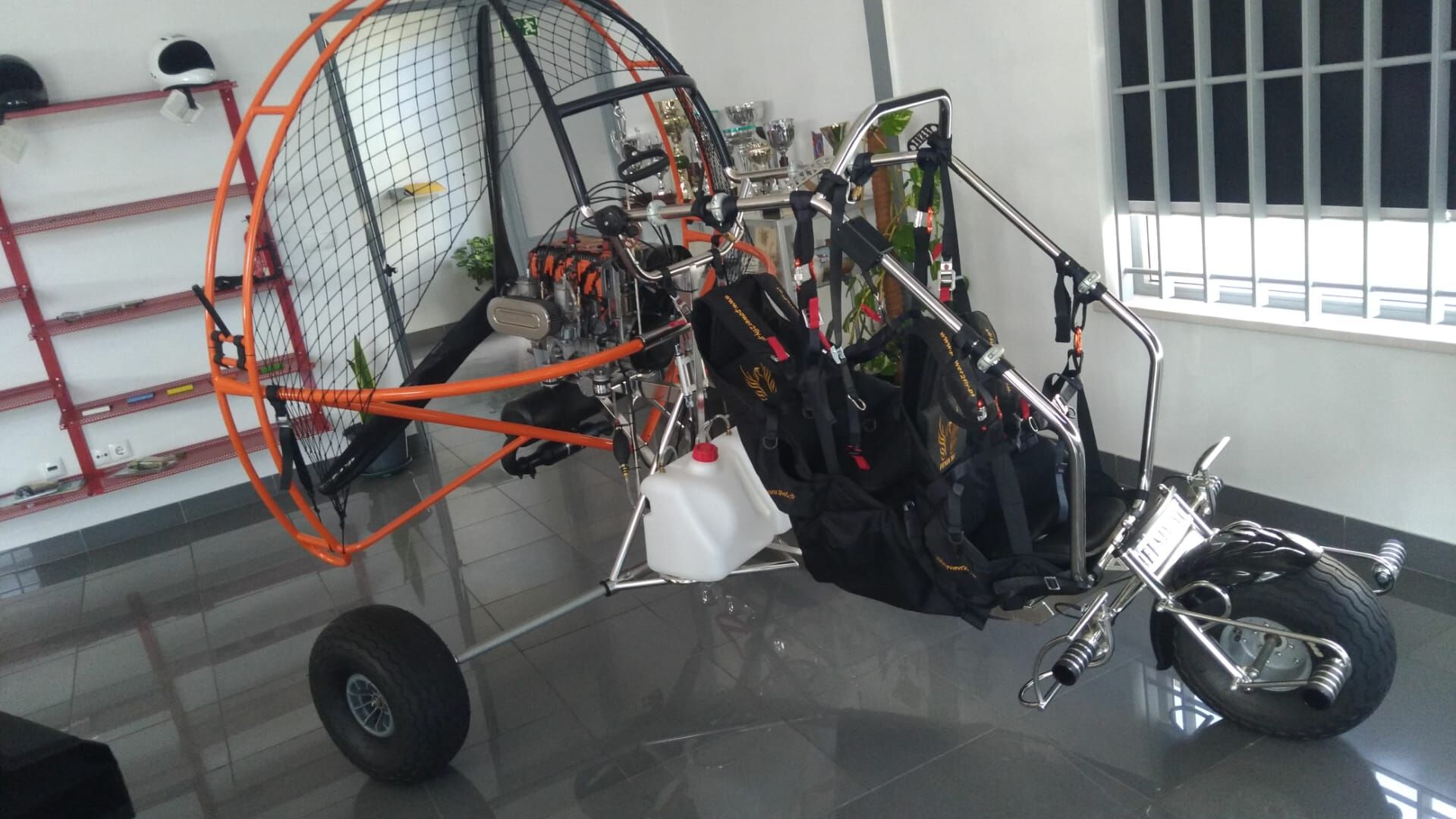
APPI Power Master Instructor · 20+ Years · 1000+ Students
www.flyparatrike.com | © 2026 FlyParatrike
Everything You Need to Know to Start Your Flying Journey
APPI Power Master Instructor · 20+ Years · 1000+ Students
Flying above Portugal's beautiful coastline
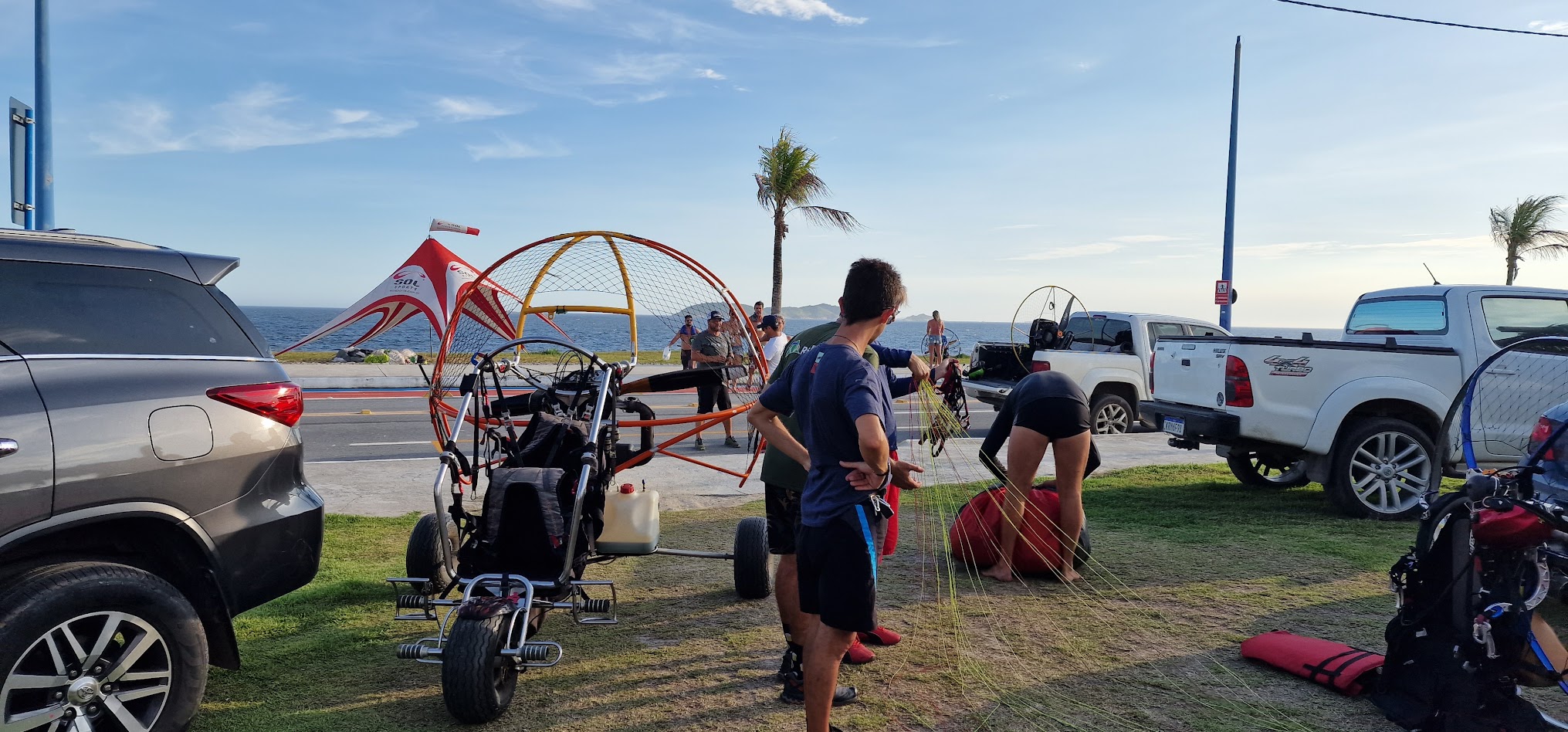
Paratrike (also called "trike paramotor" or "powered hang glider") combines the simplicity of paragliding with the reliability of a three-wheeled aircraft. Unlike foot-launched paramotors, you fly seated in a comfortable trike with an engine mounted behind you.
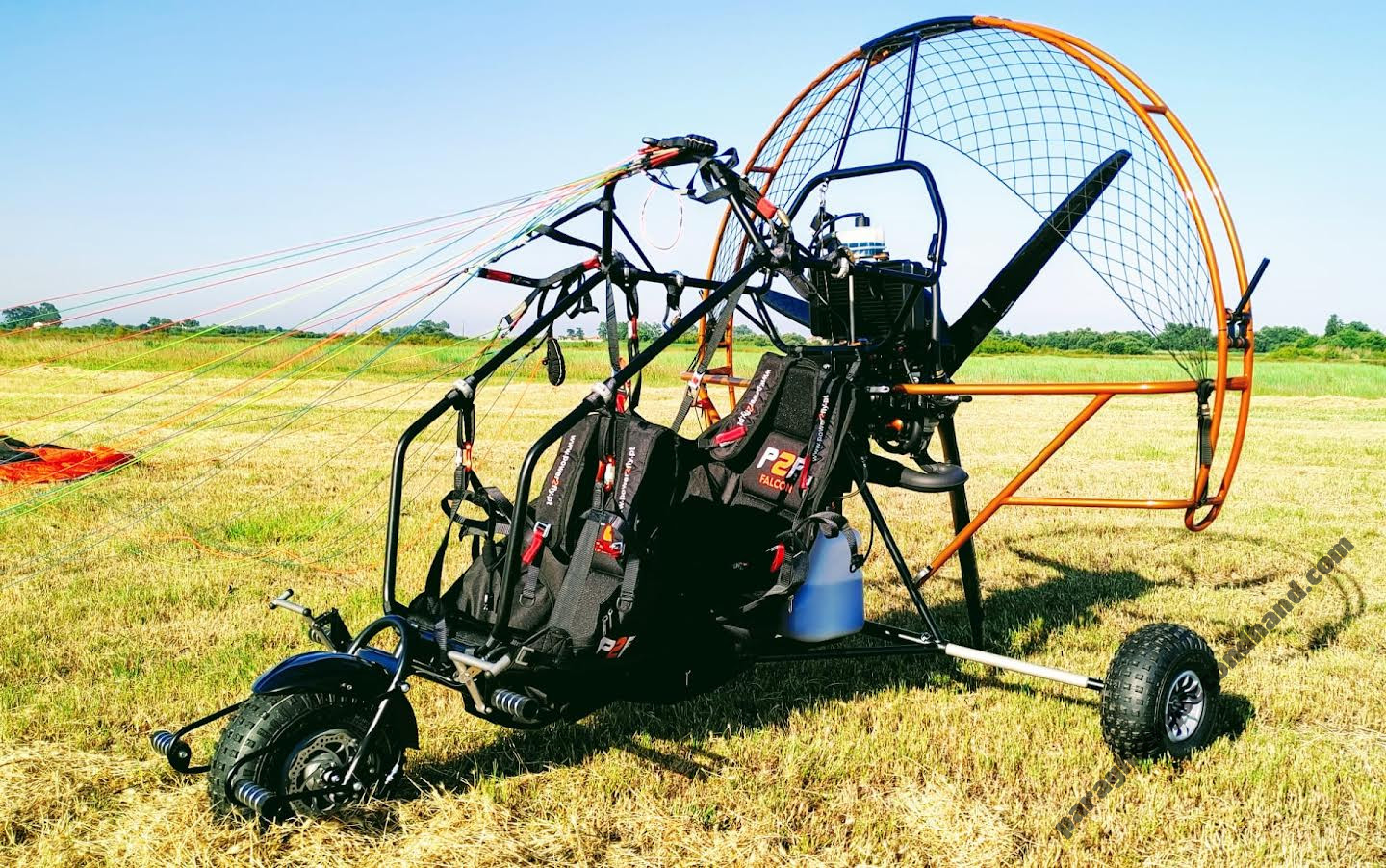
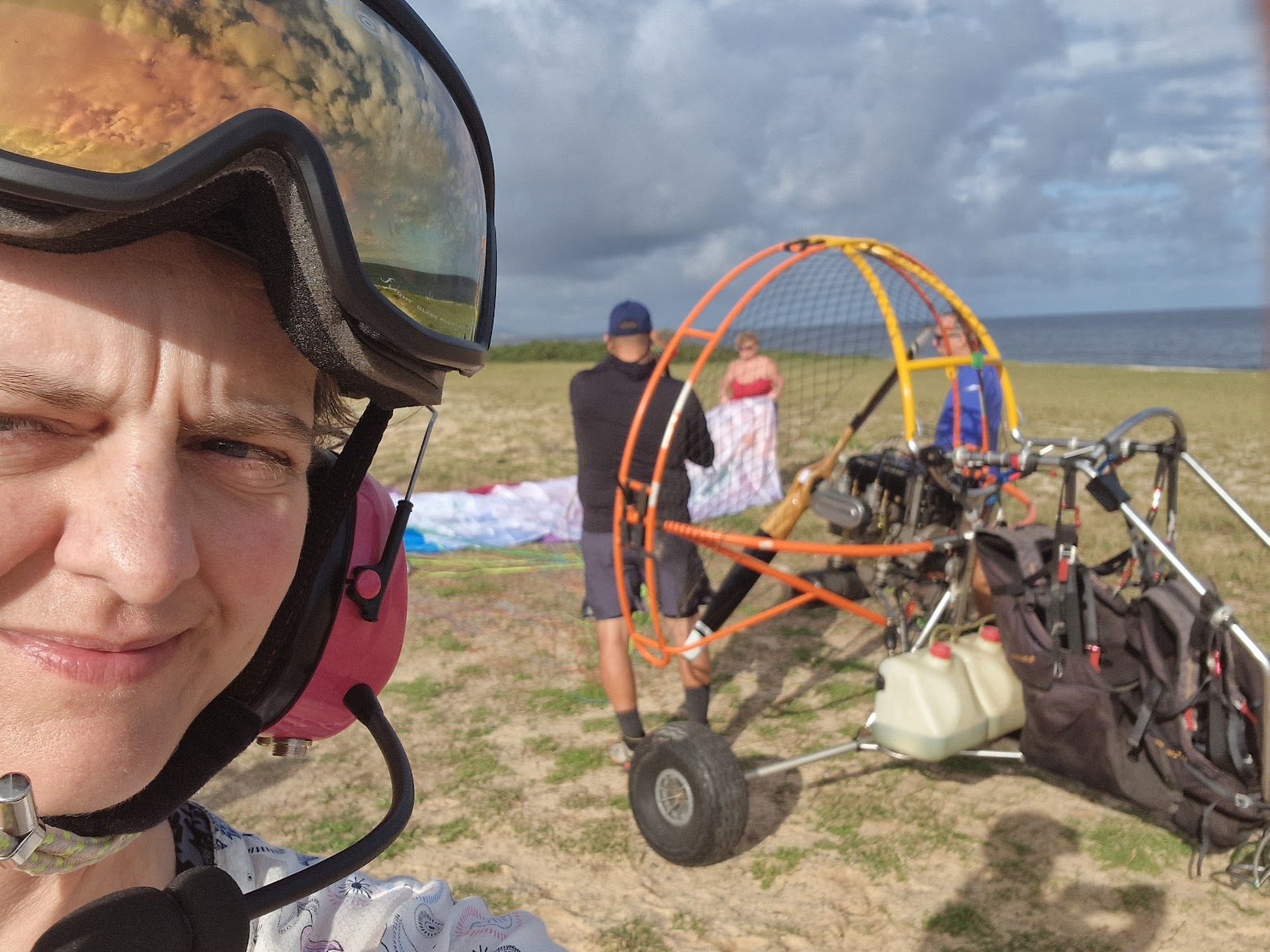
A modern paratrike ready for takeoff
| Feature | Paratrike | Airplane | Helicopter | Paramotor |
|---|---|---|---|---|
| Training time | 12 days | 6–12 months | 12–18 months | 10–14 days |
| Cost to learn | £2,600 | £8,500+ | £43,000+ | £2,150 |
| Portability | Fits in car | Hangar required | Hangar required | Fits in backpack |
| Takeoff space | 50m field | Runway | Helipad | 50m field |
| Storage | Garage | Airport | Airport | Closet |
| Fuel consumption | 3–5 L/hour | 20–50 L/hour | 30–80 L/hour | 3–5 L/hour |
"It's like having a motorcycle that can fly. The moment the wheels leave the ground and you realize YOU are controlling this aircraft — it's pure freedom."
Modern paratrikes incorporate multiple safety features:
With proper APPI-certified training:
The #1 safety factor is YOU. A well-trained pilot who respects weather limitations and follows procedures is incredibly safe.
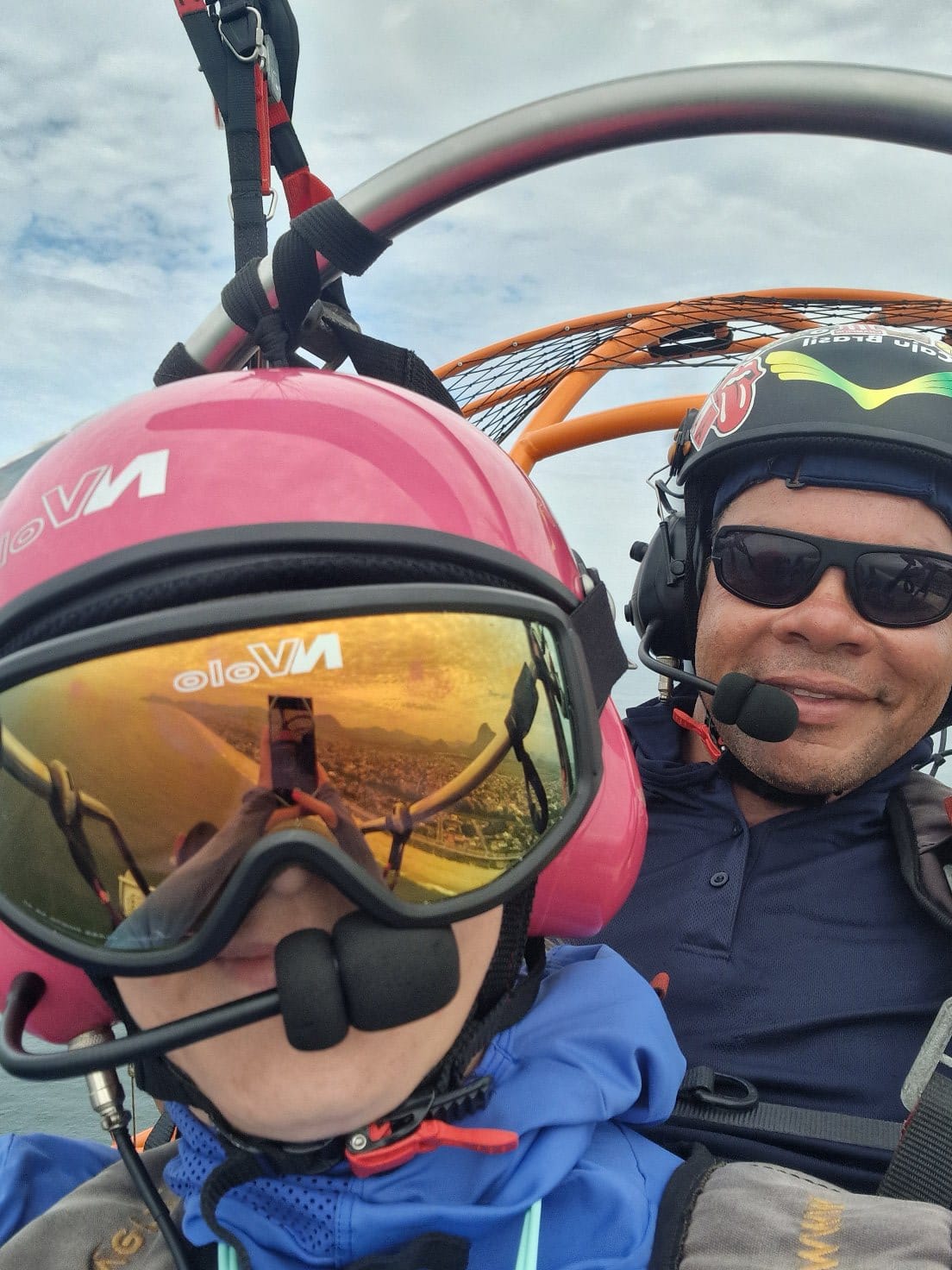
Safety is always our top priority
| Requirement | Details |
|---|---|
| Minimum age | 16 years old (14 with parental consent in some countries) |
| Maximum age | No limit — oldest student at FlyParatrike: 72 years old |
| Physical fitness | Able to run 20 metres, lift 20kg, good coordination |
| Weight | 45kg — 120kg (depending on equipment) |
| Height | 150cm — 200cm (adjustable harnesses) |
| Vision | Correctable to normal (glasses/contact lenses OK) |
| Medical | No heart conditions, epilepsy, or severe vertigo |
"At 58, I thought I was too old. Six months after my course, I flew 50km along the coast. Best decision of my life."
"I've always been afraid of heights. In a paratrike, you don't feel the height — you feel the freedom. My instructor was incredibly supportive."
APPI (Association of Paragliding Pilots and Instructors) is the international governing body for paragliding, paramotor, and paratrike certification. Based in Switzerland, APPI provides standardized training syllabi, international pilot licensing, instructor certification, and safety standards recognized in 50+ countries.
| Level | Can Fly | Restrictions | Validity |
|---|---|---|---|
| Open Sky | Tandem only (with instructor) | No solo flying | Experience only |
| Adventure Pilot | Solo in calm conditions | Winds <15 km/h, local sites | Regional (PT/ES) |
| APPI Pilot | Solo internationally | Within APPI guidelines | Global |
| Advanced Pilot | Thermalling, XC, dynamic | Advanced conditions | Global |
| Certification | International Validity | Insurance Accepted | Equipment Purchase |
|---|---|---|---|
| APPI | 50+ countries | Worldwide | Yes |
| BHPA (UK) | UK + some EU | UK/EU | Yes |
| USPPA (USA) | Mainly USA | USA | Yes |
| No license | None | No | No |
In Portugal and Spain, APPI certification is the recognized standard for paratrike licensing.
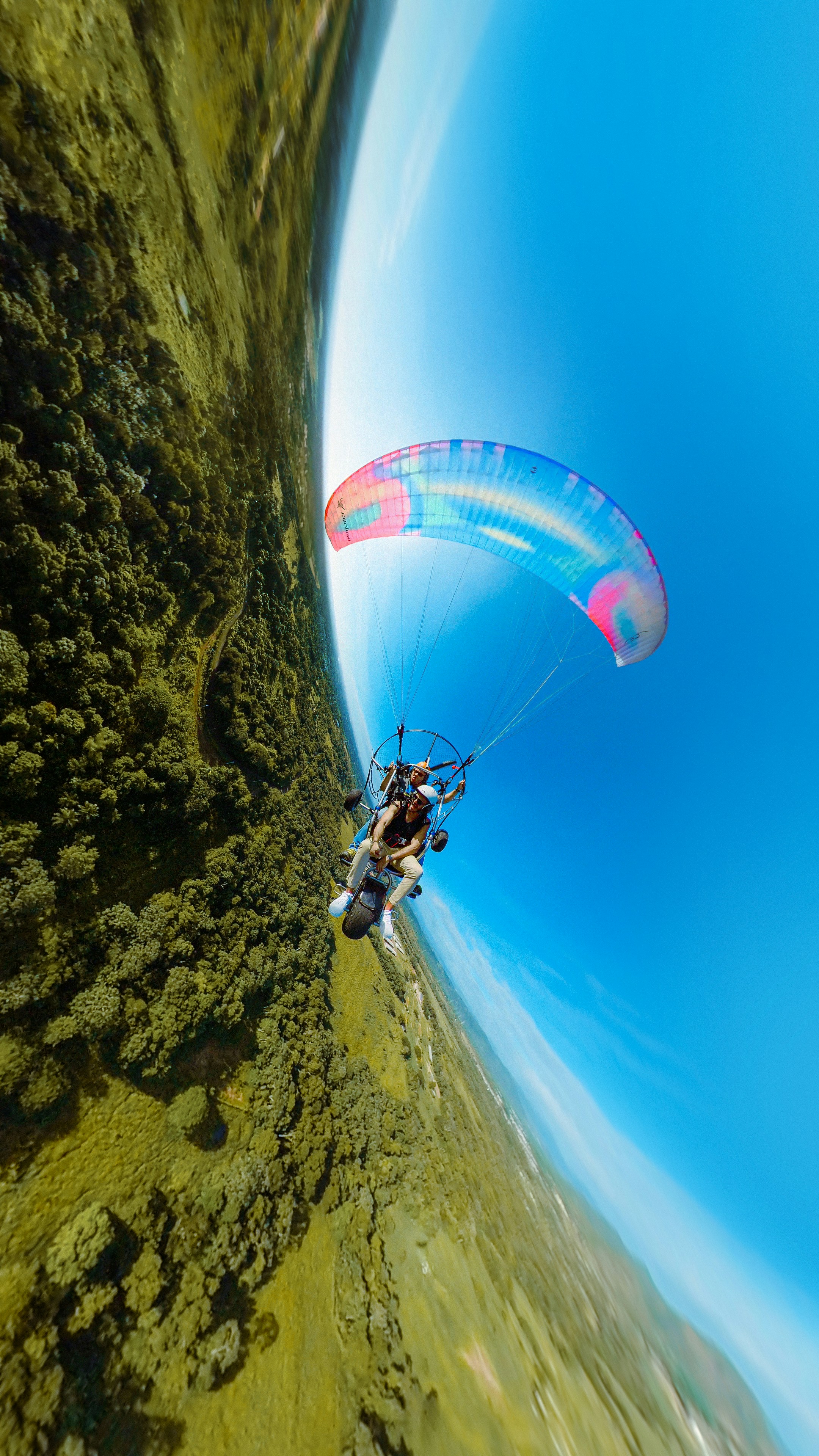
Theory and practical sessions at our training base in Murtosa, Portugal
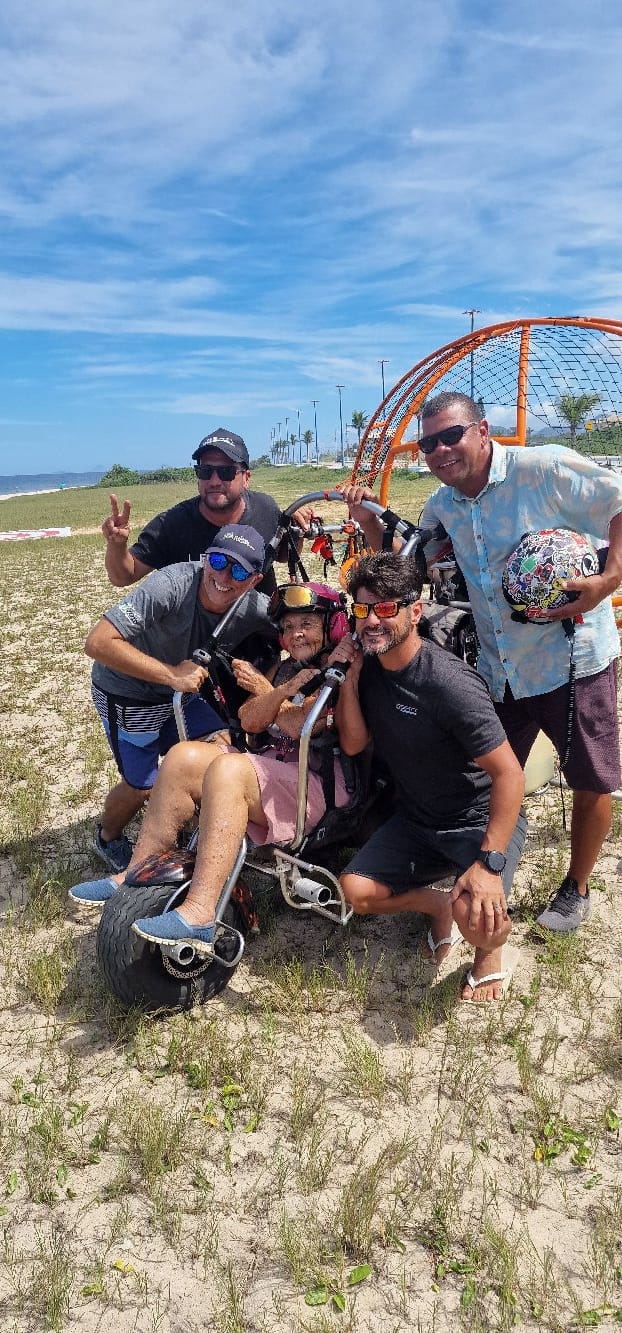
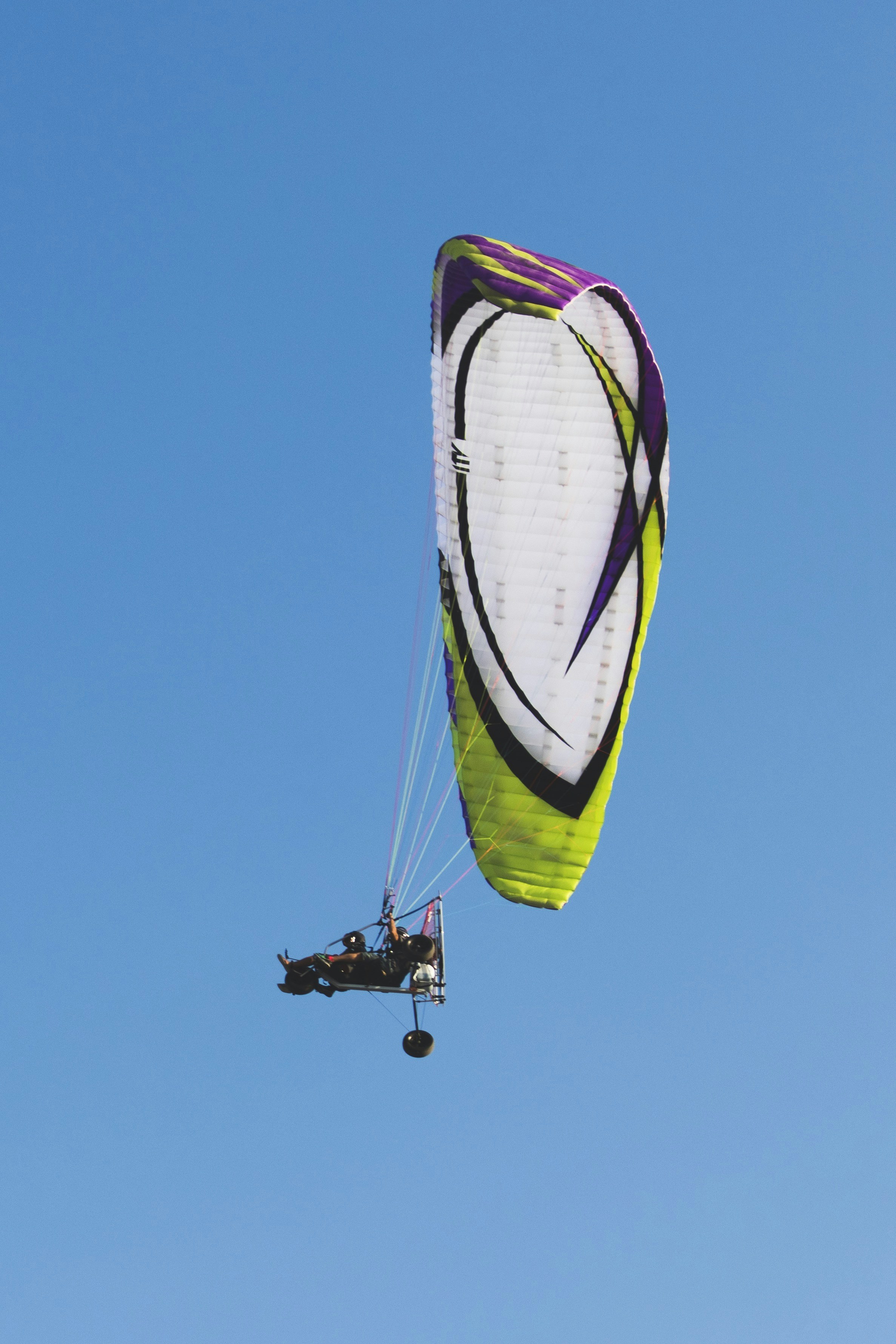
Celebrating after successful certification flights
| Item | Why | Recommendation |
|---|---|---|
| Comfortable clothes | Layer for temperature changes | Quick-dry hiking gear |
| Sturdy boots | Ankle support for running | Lightweight hiking boots |
| Sunglasses | UV protection at altitude | Polarised, retention strap |
| Sunscreen | High altitude = stronger UV | SPF 50+ |
| Water bottle | Stay hydrated | 1L minimum |
| Gloves | Protect hands from lines | Thin work gloves |
Quality used equipment — we can help you find trusted second-hand gear.
Tip:Don't buy before training! Your instructor will help you choose equipment suited to your weight, flying style, and goals.
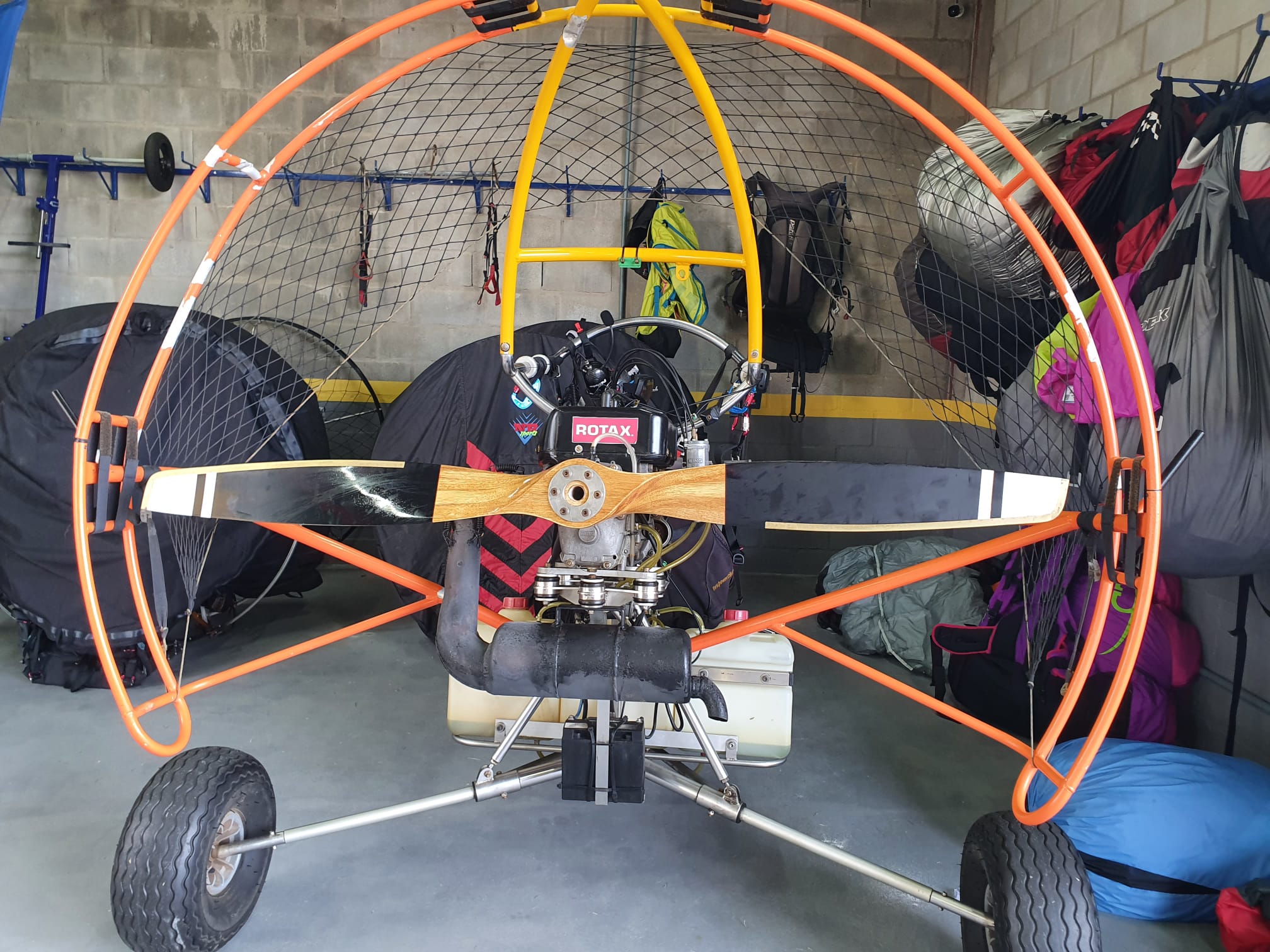
Our equipment fleet — multiple sizes and configurations available
| Condition | Ideal Range | Why It Matters |
|---|---|---|
| Wind speed | 0 — 15 km/h (0 — 8 knots) | Safe takeoff/landing |
| Wind direction | Steady, predictable | Consistent conditions |
| Visibility | >5 km | Navigation & safety |
| Cloud base | >1000 ft | Room to manoeuvre |
| Temperature | 10°C — 30°C | Comfort & engine performance |
| Precipitation | None | Wing performance & safety |
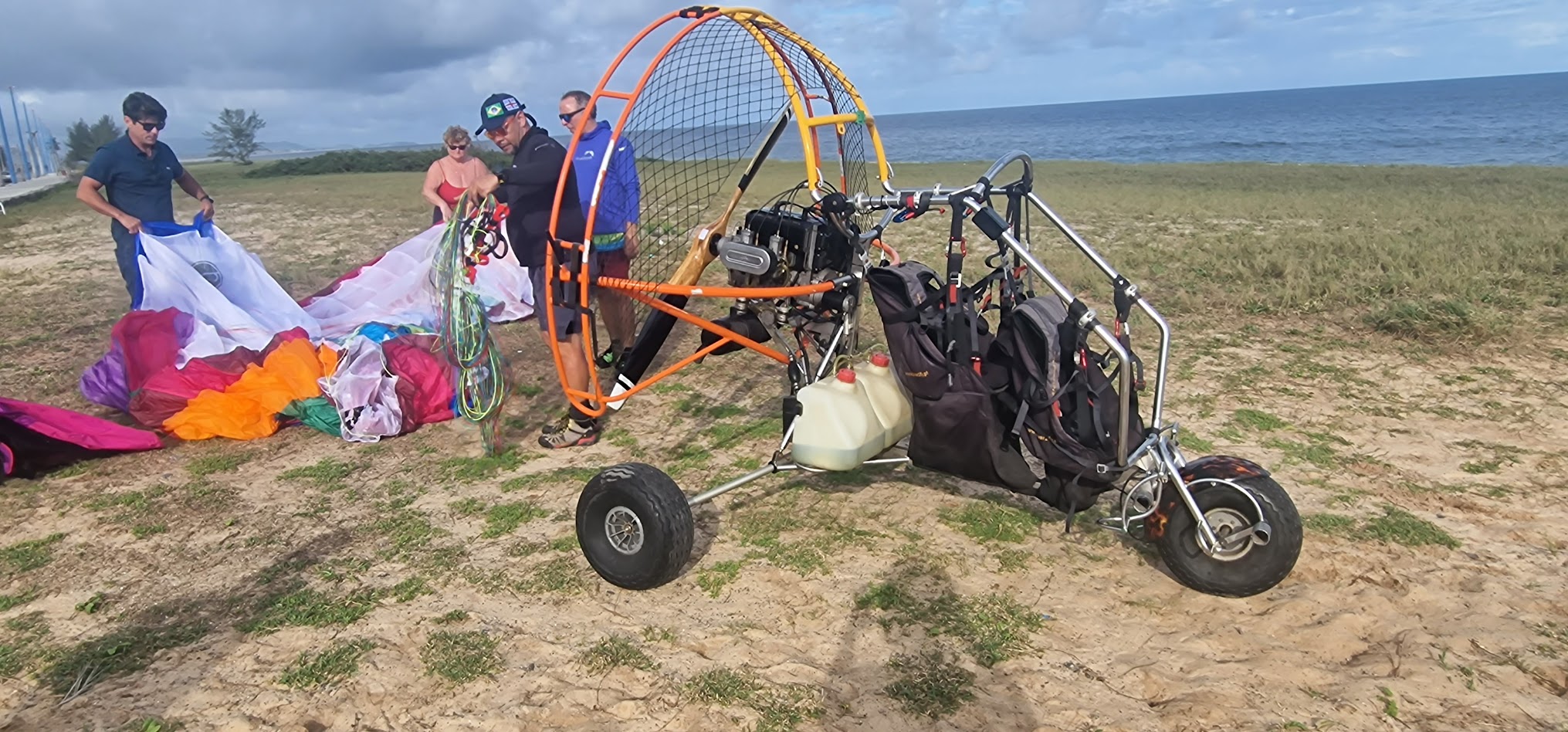
Perfect flying conditions at our training base in Portugal
| Course | Duration | Price | What's Included |
|---|---|---|---|
| Open Sky Taster | 2 days | Included in Adventure | First tandem flights |
| Adventure Pilot | 6 days | £1,450 | Solo flight certification |
| APPI Pilot Level | 6 days | £1,950 | Full international license |
| Complete Program | 12 days | £3,400(save £50) | Zero to certified pilot |
| Item | Cost | Notes |
|---|---|---|
| Accommodation | £35–70/night | We recommend local options |
| Meals | £17–35/day | Local restaurants |
| Transport | Variable | Porto airport pickup available |
| Insurance | £43–85/course | Optional but recommended |
| Equipment | £6,800–12,800 | Only if buying after course |
| Flying Experience | Cost | Duration | Certification |
|---|---|---|---|
| Tourist tandem flight | £130 | 20 minutes | None |
| Skydiving (one jump) | £215 | 1 minute freefall | None |
| Introductory flying lesson | £170 | 1 hour | None |
| Paratrike course (12 days) | £3,400 | 12 days + lifetime license | APPI International Pilot |
After certification, flying costs £4–9 per hour(fuel only) vs £130+for tourist flights. Your investment pays for itself quickly!
Before committing to any paratrike school, ask these questions:
Good: APPI, BHPA, or internationally recognized license
Red flag: "Our own certificate" or no certification
Good: APPI Master Instructor, 10+ years experience, 500+ students
Red flag: Instructor with only basic qualification or no APPI number
Good: Transparent, documented, zero serious incidents
Red flag: Vague answers or "don't worry about it"
Good: Modern, well-maintained, multiple wing sizes
Red flag: Old equipment, single wing size for all students
Good: Flexible scheduling, theory continues, no extra cost
Red flag: "You lose the days" or hidden fees
Good: Maximum 4:1 (FlyParatrike: 4 students per instructor)
Red flag: Large groups (8+) with single instructor
Good: Detailed day-by-day program, clear progression
Red flag: Vague "we'll teach you to fly" without structure
| Question | Our Answer |
|---|---|
| Certification | APPI ParaTrike Pilot (international) |
| Instructor | Ricardo Maciel — APPI Master Instructor, 20+ years, 1000+ students |
| Safety record | Zero serious incidents, full insurance |
| Equipment | Latest trikes, multiple wing sizes, radio communication |
| Weather policy | Flexible scheduling, theory continues, no extra fees |
| Ratio | Maximum 4 students per instructor |
| Syllabus | Complete APPI syllabus, day-by-day program provided |
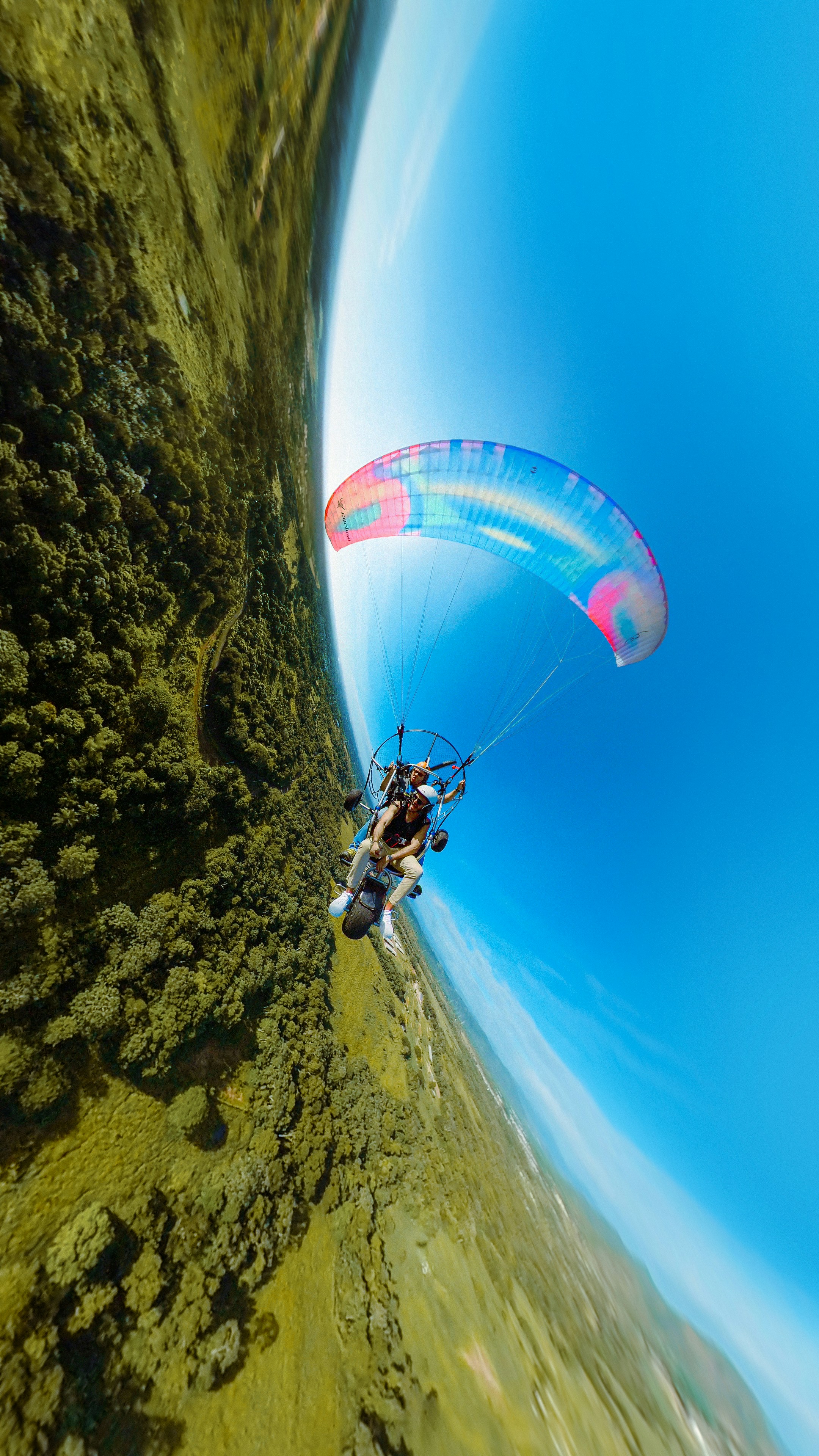
Ricardo Maciel — APPI Power Master Instructor
"I was terrified right until takeoff. Then pure calm. I remember thinking 'I was born to do this.'"
"I cried. Not from fear — from pure joy. At 45, I finally found my thing."
| Destination | Best For | Season |
|---|---|---|
| Portugal — Murtosa | Training, coastal flying | Year-round |
| Spain — Bornos | Thermal flying, cross-country | Spring/Autumn |
| France — Alps | Mountain flying, scenery | Summer |
| Morocco — Agadir | Winter training, warmth | November–March |
| Brazil — Rio | Coastal soaring, adventure | Year-round |
The world is your runway — fly anywhere with APPI certification
Similar, but paratrike uses a wheeled trike instead of foot-launch. Safer, more comfortable, and easier for beginners.
Course 1 (Open Sky + Adventure) gives you Adventure Pilot rating, allowing solo flight in calm conditions. Full independence requires Course 2 (APPI Pilot).
You repeat until ready — no extra cost for additional training days due to skill development. Everyone progresses at their own pace.
Basic English is helpful (aviation standard), but we teach in English, Portuguese, and Spanish. Theory materials available in multiple languages.
For training, we require school equipment (insurance/standardization). After certification, you can fly your own gear.
Yes — multiple choice theory exam (70% pass). We prepare you thoroughly; 95% of students pass first time.
Weather delays are common — we schedule extra days at no cost. Skill-based delays may require additional days (rare).
Not with standard pilot license. Tandem pilot certification requires additional training (50+ hours, separate course).
Fits in a car with roof rack or small trailer. Wings fit in a backpack. No trailer license needed for most setups.
120kg maximum for standard equipment. Heavier pilots need larger wings (available).
Print or save this PDF. Share with family. Mark pages for reference.
Speak with Ricardo personally about your goals and availability.
Courses fill 2–3 months in advance. Secure your dates with a deposit.
Arrange travel to Porto · Book accommodation · Start light fitness routine · Read weather basics
Transform from earthbound to airborne in 12 incredible days.
Mention this guide when booking and receive: